Hair oil manufacturing involves multiple stages, from formula selection and ingredient preparation to production, filling, packaging, and quality control. Professional hair care manufacturers help brands transform product ideas into finished private label hair oil products through a structured development and manufacturing process.
This guide explains the complete hair oil manufacturing process, including formula development, production steps, packaging, quality control, and manufacturing timelines.
Step 1: Formula Selection and Product Concept Development
The first stage of hair oil manufacturing begins with defining the product concept and selecting the right formula direction.
Before production starts, brands usually need to determine:
- Target customers and market positioning
- Desired product benefits
- Hair concerns the product should address
- Texture and sensory preferences
- Ingredient positioning
For example, a brand may want to develop:
- Nourishing hair oil for dry and damaged hair
- Lightweight hair oil for daily use
- Repairing hair oil with botanical ingredients
- Natural hair oil blends
- Premium treatment oils for professional use
A professional hair oil manufacturer typically helps brands choose from existing formulas or adjust formulations based on their product goals. Many private label hair care projects start with proven formulas and then customize specific elements such as fragrance, texture, and key ingredients.
For brands that do not have an in-house formulation team, working with an experienced OEM/ODM hair care manufacturer can simplify the product development process and reduce the time required to launch.
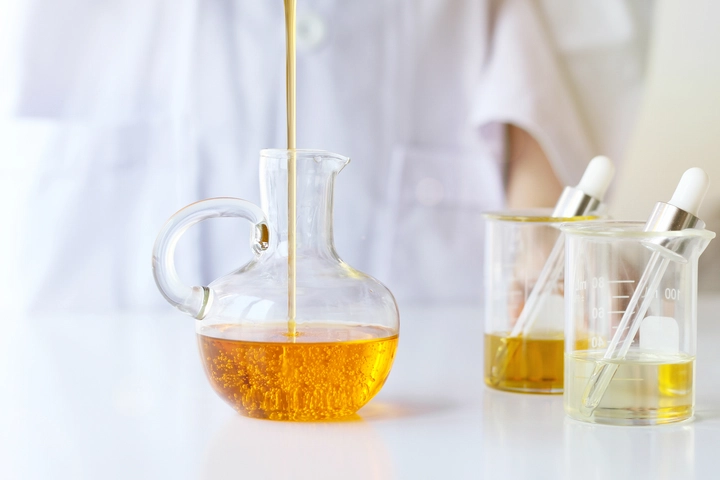
Step 2: Ingredient Selection and Formula Development
After the product concept is confirmed, the next step is ingredient selection and formula development.
A successful hair oil formula requires careful balance between performance, stability, and user experience. Manufacturers evaluate different ingredients based on their functional benefits and compatibility within the formula.
Common ingredients used in hair oil products include:
- Argan oil for nourishment and shine
- Jojoba oil for lightweight conditioning
- Coconut oil for moisture support
- Botanical extracts for targeted hair care benefits
- Essential oils or fragrances for sensory appeal
During formula development, manufacturers consider factors such as:
- Absorption speed
- Greasy or lightweight feel
- Product stability
- Ingredient compatibility
- Overall application experience
A professional hair care manufacturer with formulation experience can help brands develop products that match specific market demands while maintaining consistent quality.
For private label hair oil products, brands may choose a ready-made formula or request adjustments to create a more differentiated product.
Related Reading: How to Choose the Right Hair Oil Formula for Your Brand
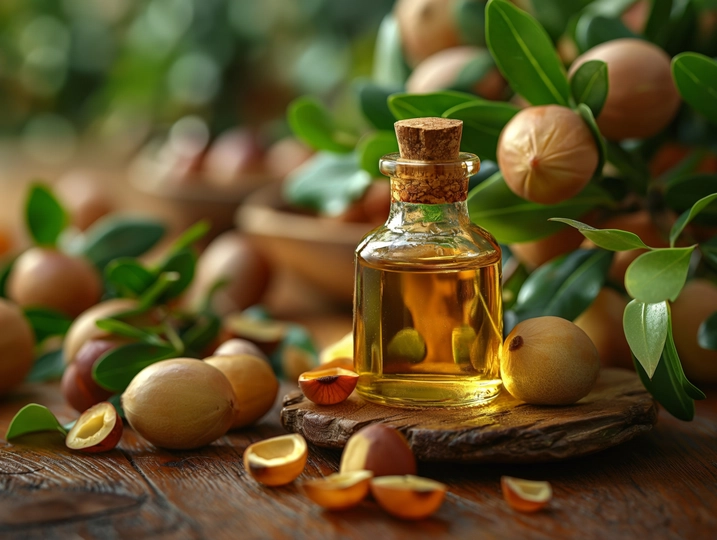
Step 3: Sample Development and Product Testing
Before mass production, private label manufacturers usually create samples for evaluation and approval.
The sample development stage allows brands to review:
- Product texture
- Fragrance
- Appearance
- Application experience
- Overall performance
Based on feedback, manufacturers may adjust:
- Oil ratios
- Ingredient combinations
- Fragrance intensity
- Product feel
Testing is an important part of the hair oil production process because it helps identify potential issues before large-scale manufacturing begins.
Professional manufacturers may conduct evaluations such as:
- Stability testing
- Appearance checks
- Compatibility testing
- Packaging compatibility assessments
Once the formula is approved, the product can move into commercial production.

Step 4: Raw Material Preparation and Hair Oil Production
After formula approval, the manufacturing process moves into production.
This stage involves several important steps to ensure consistency between batches.
Raw Material Inspection
Before production begins, hair product manufacturers inspect incoming raw materials to confirm they meet quality requirements.
This includes checking:
- Ingredient specifications
- Material quality
- Storage conditions
- Batch information
Proper raw material control helps maintain product stability and consistency.
Oil Blending and Mixing
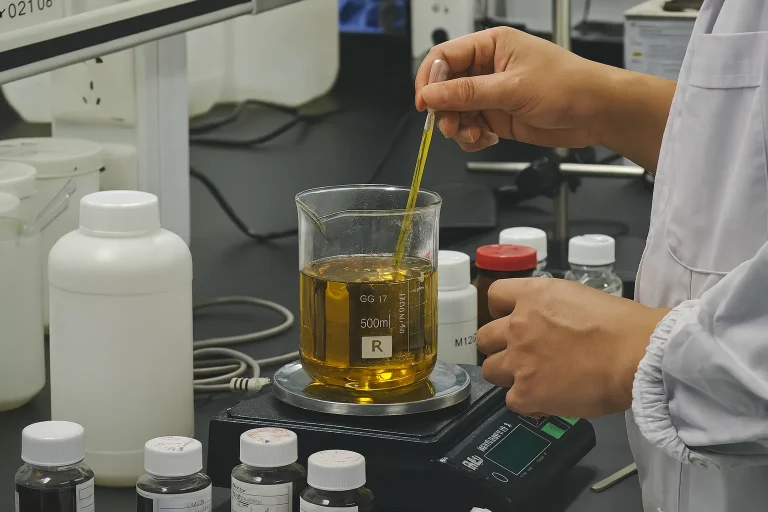
The selected ingredients are accurately measured according to the approved formula and blended under controlled conditions.
During mixing, manufacturers focus on:
- Accurate ingredient ratios
- Uniform distribution
- Consistent texture
- Product appearance
Unlike simple DIY oil blending, commercial hair oil manufacturing requires standardized procedures to ensure every batch delivers the same quality.
Experienced hair oil manufacturers use controlled production systems to maintain consistency from sample batches to large-scale production.
Filtration and Product Preparation
After mixing, the product may go through filtration or additional preparation steps depending on the formula requirements.
This stage helps ensure:
- Smooth product appearance
- Removal of unwanted particles
- Consistent product quality
Once completed, the hair oil is ready for filling and packaging.
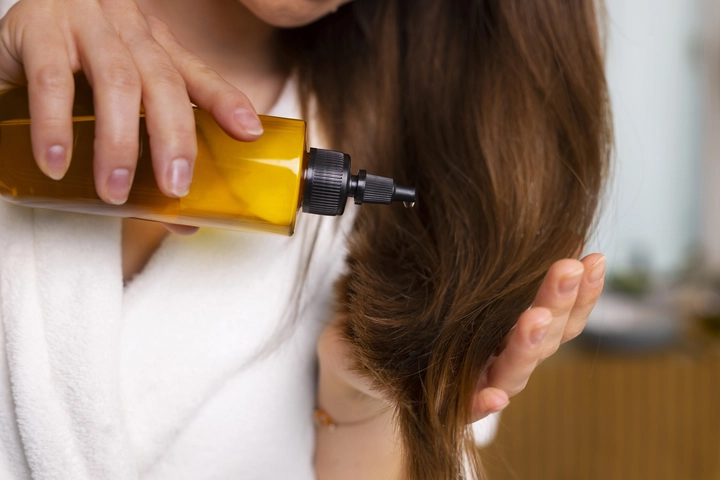
Step 5: Filling, Packaging and Labeling
After the hair oil formula is prepared, the next stage is filling and packaging.
For private label hair care brands, packaging plays an important role in product positioning and customer perception.
The process usually includes:
Bottle Preparation
Manufacturers prepare packaging components, including:
- Bottles
- Pumps or droppers
- Caps
- Containers
Filling Process
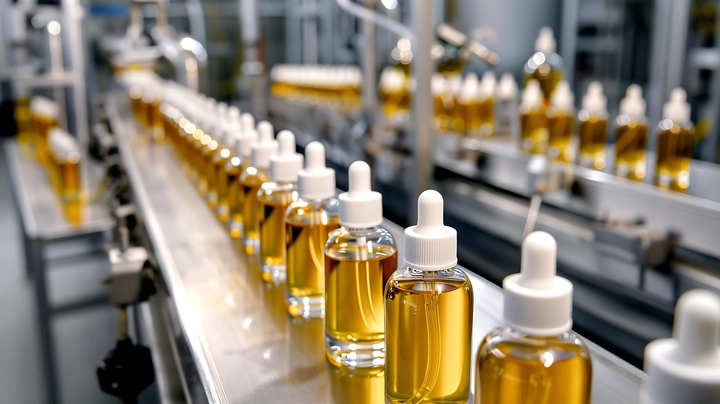
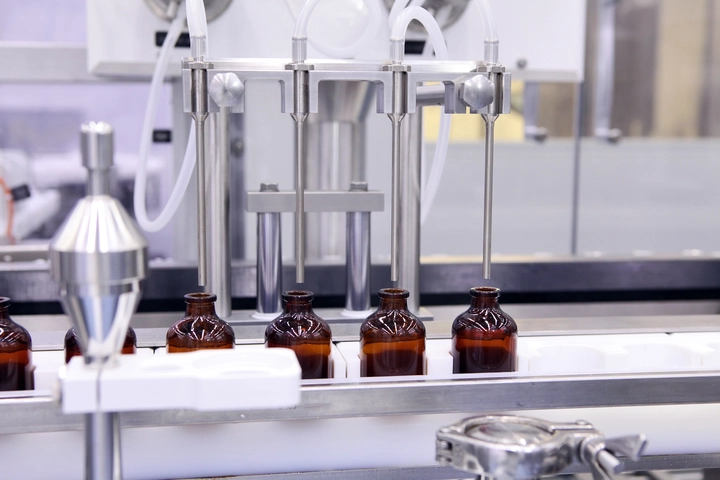
The finished hair oil is accurately filled into selected packaging based on:
- Product volume
- Packaging type
- Brand requirements
Labeling and Packaging
The final steps include:
- Applying labels
- Adding product information
- Packing finished products for shipment
Many private label hair oil manufacturers provide integrated solutions covering production, filling, labeling, and packaging, allowing brands to manage the entire process through one manufacturing partner.
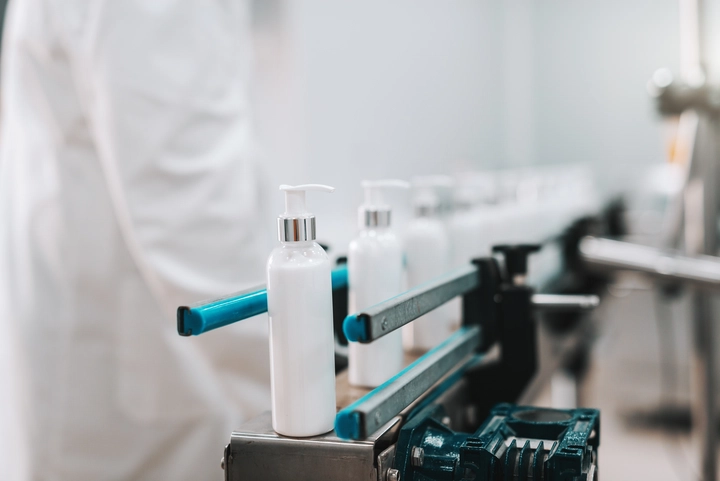
Step 6: Quality Control Before Finished Product Delivery
Quality control is one of the most important stages in hair oil manufacturing.
Before products are delivered, hair product manufacturers typically inspect:
- Product appearance
- Packaging condition
- Label accuracy
- Filling consistency
- Overall product quality
A reliable cosmetic manufacturer follows standardized quality management procedures to reduce production risks and ensure finished products meet brand expectations.
For example, hair product manufacturers following systems such as ISO 22716 and GMPCs apply structured processes throughout production, from raw materials to finished products.
How Long Does Hair Oil Manufacturing Take?
The manufacturing timeline depends on the formula, packaging requirements, and level of customization.
For standard formulas with standard packaging, hair oil production usually takes around 30 days from order confirmation to finished product delivery.
This timeline generally includes:
- Production preparation
- Formula confirmation
- Filling
- Packaging
- Quality inspection
However, projects requiring custom formulas or customized packaging usually take longer because they may involve:
- New formula development
- Multiple sample adjustments
- Custom bottle design
- Special packaging production
Brands planning a private label hair oil project should discuss timelines with their manufacturer early to ensure the product launch schedule is achievable.
Why Brands Work With Professional Hair Oil Manufacturers
Many emerging hair care brands choose to work with OEM/ODM manufacturers instead of building their own production facilities.
Working with an experienced manufacturing partner allows brands to:
- Access professional formulation support
- Reduce initial investment
- Develop products faster
- Use established production systems
- Scale production as demand grows
A professional private label hair oil manufacturer can support the complete process, from formula selection and product development to manufacturing and finished product delivery.
For example, Mountain Sea operates a professional cosmetic manufacturing facility with dedicated product development capabilities to support brands creating customized hair care products.
Related Reading: Private Label Hair Oil: A Complete Guide for HairCare Brands
Conclusion
The hair oil manufacturing process involves much more than mixing oils and filling bottles. From formula selection and ingredient development to production, packaging, and quality control, every step affects the final product quality.
Choosing the right manufacturing partner helps brands create reliable, market-ready hair oil products while avoiding the challenges of managing production independently.
If you are looking for an experienced hair care manufacturer to develop your private label hair oil products, please contact Mountain Sea to discuss your product requirements and bring your hair care ideas to market.