Private label hair care product packaging plays an important role in building a successful hair care brand. The right packaging should do more than look attractive—it should protect the formula, communicate your brand positioning, provide a good user experience, and meet manufacturing requirements. For brands developing private label hair products, choosing the right packaging format, materials, and customization options is an essential step from product concept to market launch.
Whether you are creating a shampoo line, hair mask collection, hair oil range, or professional hair care series, packaging decisions can directly influence product perception, production costs, and customer satisfaction.
Why Packaging Matters for Private Label Hair Care Products
When launching a private label hair care product, many brands focus first on formulas and ingredients. However, packaging is equally important because it is the first physical interaction customers have with your product.
Good hair care packaging helps brands communicate their identity and differentiate themselves in a competitive market. A premium-looking bottle can support a luxury positioning, while clean and simple packaging can reinforce a natural or botanical brand image.
For private label brands, packaging also needs to balance appearance with practical considerations, including production feasibility, cost control, and compatibility with the product formula.
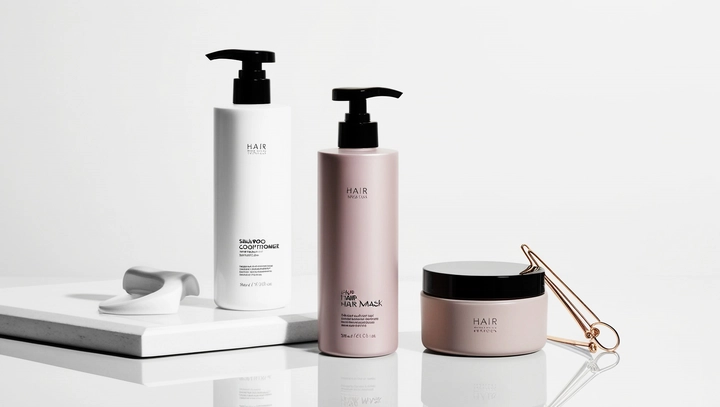
Packaging Creates the First Impression of Your Brand
Customers often make purchasing decisions based on visual impressions before they experience the product itself. Packaging design can influence how customers perceive:
- Product quality
- Brand positioning
- Target audience
- Overall value
For example:
A luxury hair care brand may choose elegant bottles, refined finishes, and minimalist labels to create a premium experience.
A natural hair care brand may prefer simple packaging designs, botanical elements, and clean visual styles to highlight its product philosophy.
A professional salon brand may prioritize functional packaging that is easy to use in daily salon environments.
The key is making sure your packaging reflects the type of customer you want to attract.
Packaging Influences Product Quality and User Experience
Hair care packaging is not only about appearance. It also affects how customers use and interact with your product.
Important considerations include:
- Is the bottle easy to open and use?
- Does the pump dispense the right amount of product?
- Is the container suitable for the formula texture?
- Can the packaging protect the product during transportation?
For example, a thick hair mask may require a jar or wide-mouth container, while a lightweight hair serum may work better with a dropper or pump bottle.
Choosing packaging based on product characteristics helps create a better customer experience.
Packaging Decisions Affect Production Costs
Packaging is also an important factor in overall product investment.
Factors that influence packaging costs include:
- Material selection
- Bottle shape
- Custom molds
- Printing methods
- Accessories such as pumps or caps
- Order quantity
For new brands, highly customized packaging may create additional costs and higher minimum order quantities (MOQ). Many private label brands start with existing packaging options and customize labels, colors, and finishes to achieve a professional appearance while controlling investment.
An experienced hair care manufacturer can help brands evaluate packaging options that match both their budget and market goals.
Common Types of Hair Care Product Packaging
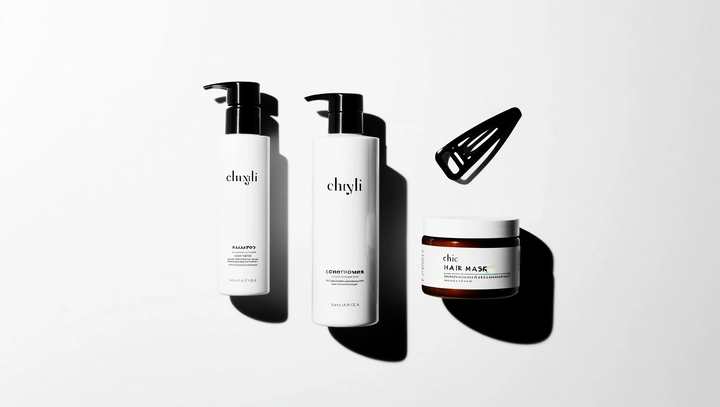
Different hair care products require different packaging solutions. The right choice depends on the formula, product positioning, customer usage habits, and brand image.
Shampoo and Conditioner Packaging
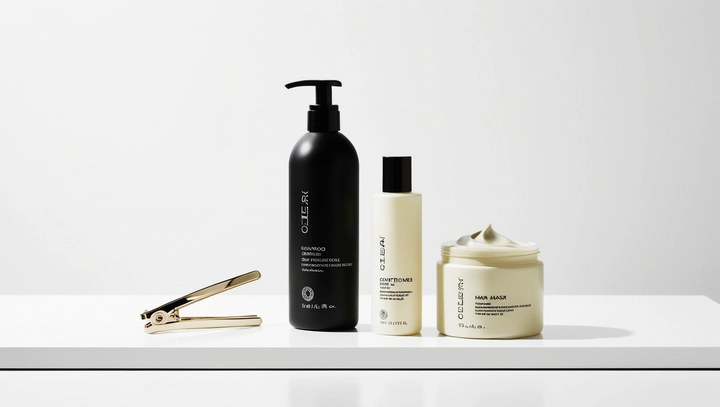
Shampoo and conditioner are among the most common private label hair care products, and their packaging needs to be practical for everyday use.
Common packaging options include:
- Squeeze bottles
- Pump bottles
- Flip-top bottles
When selecting shampoo or conditioner packaging, brands should consider:
- Product viscosity
- Bottle size
- Retail positioning
- Customer convenience
For example, a salon-focused brand may prefer larger pump bottles, while a premium retail brand may choose more distinctive packaging designs.
Hair Mask and Treatment Packaging
Hair masks and intensive treatments often have thicker textures, making jars and wide-mouth containers common choices.
These packaging formats are suitable for:
- Repair hair masks
- Hydrating treatments
- Deep conditioning products
The packaging should allow customers to easily scoop or apply the product while maintaining a professional appearance.
For premium positioning, brands may also consider upgraded materials, special finishes, or unique container designs.
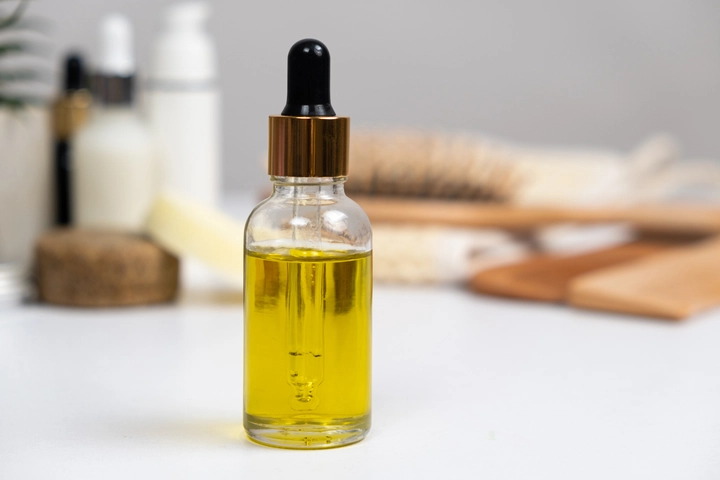
Hair Oil, Serum, and Leave-in Product Packaging
Hair oils and serums often require packaging that protects the formula while creating a premium user experience.
Common options include:
- Glass bottles
- Dropper bottles
- Pump bottles
- Spray bottles
Packaging selection depends on factors such as:
- Formula texture
- Ingredient characteristics
- Product positioning
- Usage method
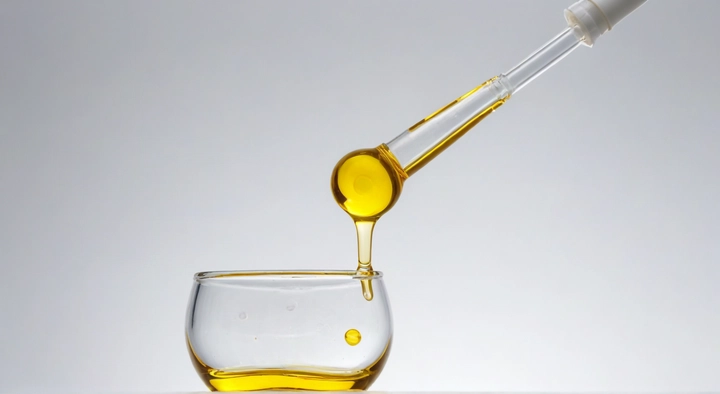
For example, a luxury hair oil may use glass packaging with a dropper, while a lightweight leave-in spray may require a fine mist spray bottle.
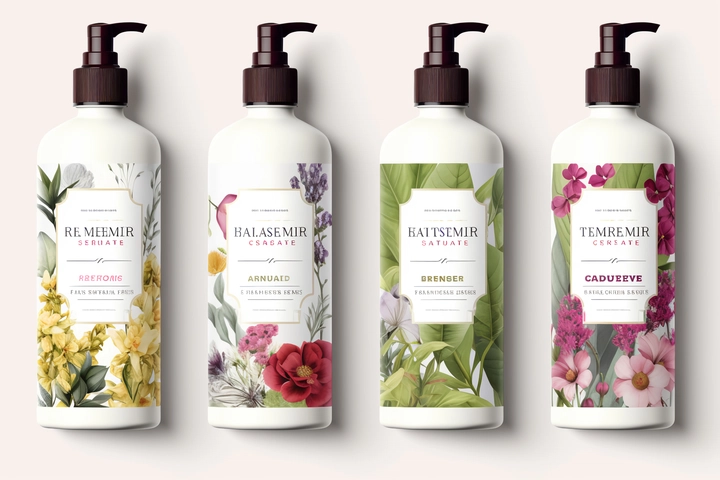
How to Choose the Right Packaging Materials for Hair Products
Choosing suitable materials is an important part of hair care product packaging development. Different materials provide different benefits in terms of appearance, durability, cost, and production requirements.
Plastic Packaging: PET, HDPE, and PP
Plastic packaging is widely used in the hair care industry because it is lightweight, durable, and suitable for large-scale production.
Common materials include:
PET (Polyethylene Terephthalate)
Suitable for:
- Shampoo bottles
- Conditioner bottles
- Hair treatments
Benefits:
- Clear appearance
- Lightweight
- Good durability
HDPE (High-Density Polyethylene)
Suitable for:
- Large-size products
- Professional hair care products
Benefits:
- Strong and impact-resistant
- Suitable for transportation
PP (Polypropylene)
Commonly used for:
- Caps
- Pumps
- Jars
Plastic packaging remains a popular choice for private label hair care brands because it provides flexibility in design and cost management.
Glass Packaging
Glass packaging is often selected for premium hair oils, serums, and luxury hair care products.
Advantages include:
- Premium appearance
- High-end brand perception
- Good compatibility with certain formulas
However, brands should also consider:
- Higher transportation costs
- Breakage risks
- Shipping requirements
Glass packaging can be an excellent choice when the product positioning focuses on luxury and premium customer experience.
Custom Packaging Materials and Finishes
Beyond basic materials, brands can customize packaging through different finishes and accessories.
Options include:
- Matte finishes
- Glossy finishes
- Custom colors
- Special caps
- Premium pumps
- Decorative effects
However, customization should always be evaluated together with production requirements. A visually attractive design must also be practical for manufacturing and supply chain management.
Private Label Hair Care Packaging Customization Options
Private label brands usually require packaging customization to create a unique market identity. While packaging does not define the entire brand, it plays an important role in helping products stand out.
Bottle and Container Customization
Brands can customize:
- Bottle shapes
- Container sizes
- Colors
- Pumps and caps
- Product presentation
The best choice depends on:
- Target market
- Product category
- Price positioning
- Expected production volume
Many brands begin with existing packaging options and gradually increase customization as their business grows.
Label Design and Printing
Labels are an important part of hair care product packaging because they communicate essential product information.
A label usually includes:
- Brand name
- Product name
- Ingredients
- Directions for use
- Product claims
- Regulatory information
Good label design should balance visual appeal with clear communication.
For international markets, brands should also consider labeling requirements before mass production.
Packaging Design Should Match Your Brand Positioning
Packaging should support your overall brand strategy.
Examples:
Luxury Hair Care Brands
May focus on:
- Premium materials
- Elegant designs
- Sophisticated finishes
Natural Hair Care Brands
May focus on:
- Simple layouts
- Botanical themes
- Clean visual identity
Professional Salon Hair Care Brands
May focus on:
- Functional designs
- Larger sizes
- Easy daily use
The most effective packaging is not necessarily the most expensive—it is the packaging that matches the brand’s target customers.
The Packaging Development Process for Private Label Hair Care Products
Developing packaging for a private label hair care product involves several steps. Working with an experienced hair care manufacturer can help brands coordinate packaging decisions with formula development and production requirements.
Step 1: Define Your Product Positioning
Before selecting packaging, brands should clearly understand:
- Target customers
- Product category
- Price range
- Brand image
A clear positioning strategy helps determine the appropriate packaging style.
Step 2: Select Packaging Components
The next step is choosing suitable components, including:
- Bottles
- Jars
- Pumps
- Caps
- Labels
The selected packaging should match the formula, customer expectations, and production plan.
Step 3: Confirm Packaging Compatibility
Packaging should always be evaluated together with the hair care formula.
Important considerations include:
- Formula texture
- Product stability
- Dispensing performance
- Storage conditions
For example, certain formulas may require specific packaging designs to maintain product quality and user experience.
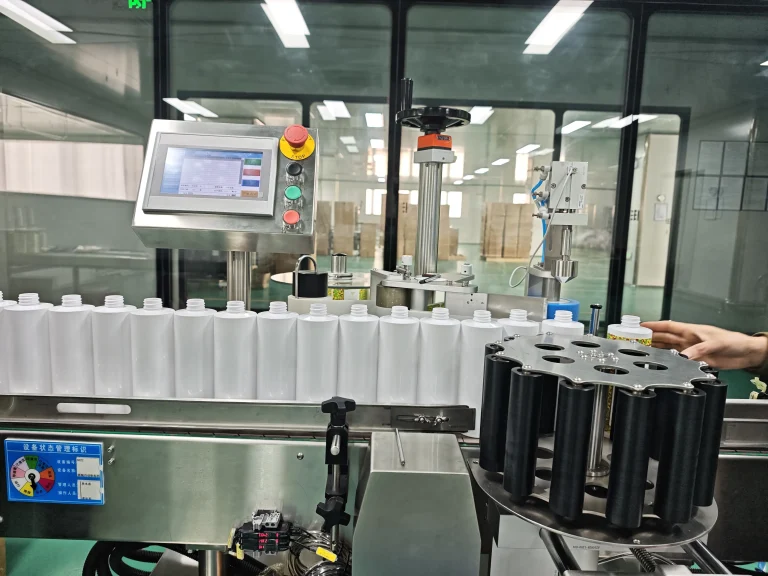
Step 4: Move from Prototype to Production
Before mass production, brands usually confirm:
- Packaging samples
- Design details
- Label requirements
- Production specifications
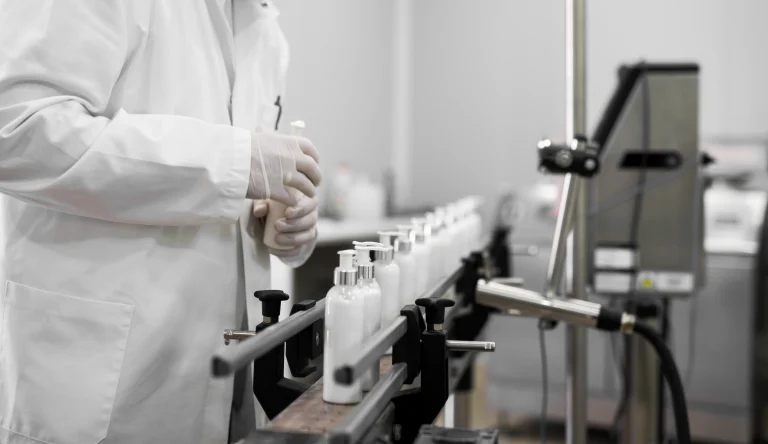
A professional private label manufacturer can help coordinate packaging solutions as part of the complete product development process.
Common Mistakes Brands Make When Choosing Hair Care Packaging
Choosing Packaging Before Defining Product Positioning
Some brands select packaging based only on appearance without considering their target customers.
Before choosing packaging, define:
- Who will buy the product?
- What market position do you want?
- What customer experience should the product create?
Ignoring MOQ and Cost Requirements
Highly customized packaging may increase:
- Initial investment
- Production complexity
- Lead time
Brands should balance customization with realistic production requirements.
Selecting Packaging Without Considering Formula Compatibility
Packaging should not be selected separately from the product formula.
The right packaging should support:
- Product stability
- Easy application
- Long-term quality
Focusing Only on Appearance
A beautiful package is important, but successful hair care packaging must also consider:
- Manufacturing feasibility
- Transportation
- Customer usability
- Cost efficiency
How a Hair Care Manufacturer Can Support Packaging Decisions
Packaging is only one part of developing a successful private label hair care product. A reliable hair care manufacturer can help brands coordinate multiple stages, from product development to production.
Support may include:
- Packaging selection
- Component sourcing
- Packaging feasibility evaluation
- Formula and packaging compatibility considerations
- Production coordination
- Quality control
By working with an experienced private label hair care manufacturer, brands can create products with packaging that looks professional while meeting practical manufacturing requirements.
From formula development and packaging solutions to production and quality management, a complete manufacturing partner can help transform a product idea into a market-ready hair care product.
Conclusion
Private label hair care product packaging is an important part of building a successful hair care brand. The right packaging should balance brand identity, customer experience, product requirements, and manufacturing feasibility.
Whether you are launching a shampoo line, hair mask collection, hair oil range, or complete hair care portfolio, packaging decisions should be considered as part of the overall product development process.
Working with an experienced hair care manufacturer can help brands make better decisions about formulas, packaging options, and production requirements while creating products ready for the market. If you are planning to launch your own hair care products, please feel free to contact us.