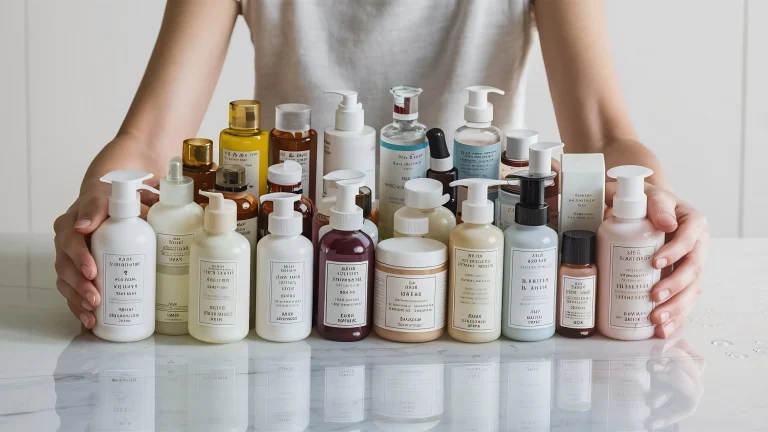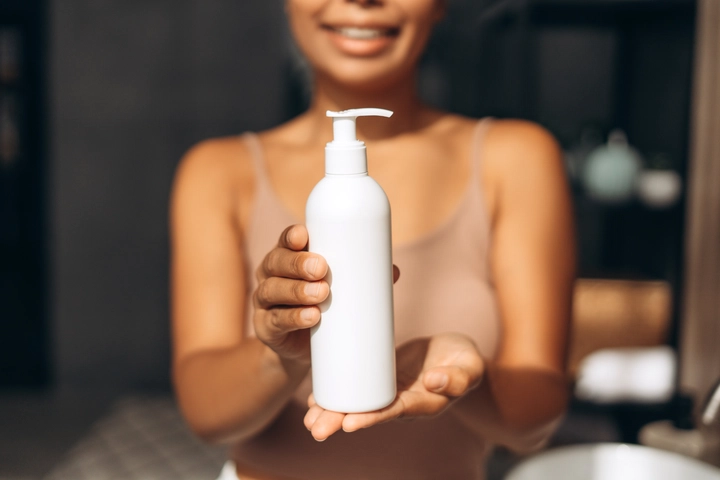
Creating a successful hair oil product requires more than choosing popular ingredients and adding a logo to a bottle. Private label hair oil products can be customized through multiple steps, including product positioning, formula selection, ingredient choices, fragrance, texture, packaging, and branding. By working with an experienced manufacturer, hair care brands can develop unique oil products that match their target customers, market trends, and brand identity.
For brands entering the hair care market, understanding the customization process helps reduce development risks and create products with stronger market potential.
What Does Private Label Hair Oil Customization Mean?
Private label hair oil customization allows brands to create their own branded hair oil products without developing every part of the product from scratch. Instead of manufacturing a completely standard product, brands can work with a professional manufacturer to adjust different elements based on their market positioning and customer needs.
A customized private label hair oil product may include changes to:
- Formula composition
- Key ingredients and active components
- Hair benefits and product claims
- Texture and absorption feel
- Fragrance profile
- Bottle and packaging design
- Label and brand identity
Compared with ready-made products, customization gives brands more flexibility to create products that stand out in competitive hair care markets.
For example, one brand may want a lightweight daily hair oil for fine hair, while another may prefer a rich repairing oil designed for dry and damaged hair. The customization process allows both brands to develop products with different positioning.
Step 1: Define Your Hair Oil Product Concept
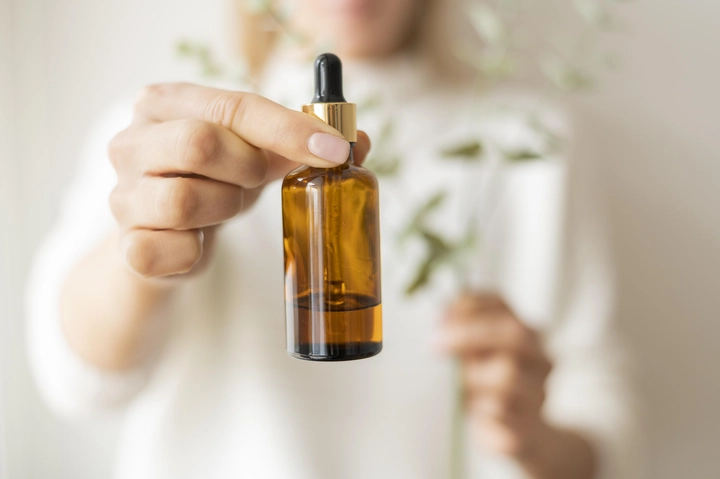
Before customizing a formula, brands need to clearly define what kind of hair oil product they want to create. A successful product usually starts with a clear understanding of the target customer, market demand, and desired benefits.
Identify Your Target Customers
Different customer groups have different expectations for hair oil products.
Brands may develop products targeting:
- Consumers with dry and damaged hair
- People looking for frizz control and smoothness
- Customers interested in natural botanical hair care
- Users seeking scalp and hair nourishment
- Premium beauty consumers looking for luxury hair treatments
Understanding your target audience helps determine the right formula direction, ingredient selection, packaging style, and marketing message.
Choose Your Product Benefits
Private label hair oil products can be positioned around different benefits, such as:
- Deep nourishment
- Hair repair support
- Moisture retention
- Shine enhancement
- Frizz control
- Lightweight conditioning
- Scalp care support
A clear product concept allows manufacturers to recommend suitable ingredients and formulation approaches.
Related Reading: Private Label Hair Oil: A Complete Guide for HairCare Brands
Step 2: Customize the Hair Oil Formula
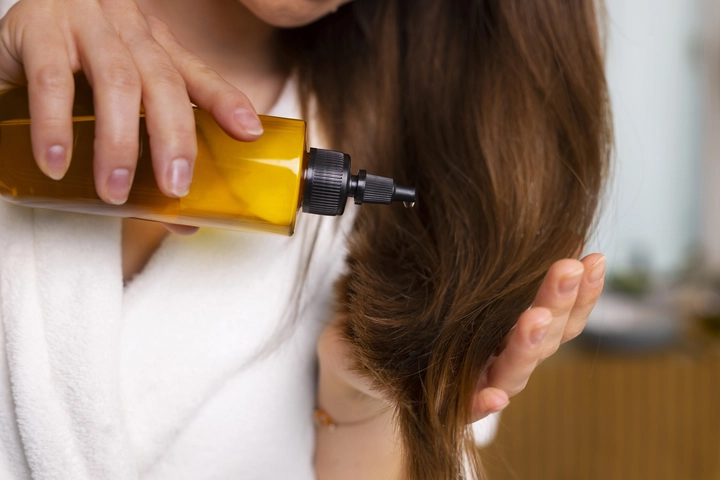
Formula customization is one of the most important parts of developing a private label hair oil product. The formula determines the product’s performance, user experience, and market positioning.
An experienced manufacturer can help brands select suitable ingredients and adjust the formula based on product goals.
Select the Right Base Oils
Carrier oils create the foundation of most hair oil formulas. Different oils provide different benefits and sensory experiences.
Common options include:
Argan Oil
Known for its nourishing properties, argan oil is widely used in hair care products designed to improve softness, smoothness, and shine.
Jojoba Oil
Jojoba oil offers a lightweight feel and is often selected for products that need a non-greasy finish.
Coconut Oil
Coconut oil is commonly used in nourishing formulas designed for dry and damaged hair.
Sweet Almond Oil
Sweet almond oil provides conditioning benefits and helps create a smoother hair feel.
Botanical Oil Blends
Many brands choose a combination of botanical oils to create a more unique formula profile and strengthen product differentiation.
The right oil combination depends on factors such as hair type, target market, product positioning, and desired texture.
Add Functional Ingredients
Beyond base oils, brands can customize formulas with additional ingredients to support specific product concepts.
Examples include:
- Plant extracts
- Vitamins
- Keratin-related ingredients
- Botanical complexes
- Conditioning agents
For example, a repair-focused hair oil may emphasize nourishing and strengthening ingredients, while a lightweight daily oil may focus more on smoothness and manageability.
Choosing ingredients should not only follow trends but also consider formula stability, compatibility, and customer expectations.
Related Reading: How to Choose the Right Hair Oil Formula for Your Brand

Step 3: Customize Texture, Fragrance, and User Experience
A successful hair oil product is not only about ingredients. The way the product feels and smells strongly influences customer satisfaction and repeat purchases.
Adjust the Texture
Hair oils can have very different sensory experiences depending on the formula design.
Common texture options include:
- Lightweight Hair Oil: Designed for customers who prefer quick absorption and a non-greasy finish.
- Rich Nourishing Hair Oil: Suitable for dry, coarse, or damaged hair types that need deeper conditioning.
- Dry Oil Formula: Provides a smooth finish while minimizing the heavy feeling associated with traditional oils.
Brands can work with manufacturers to adjust the balance between nourishment, absorption, and styling performance.
Customize the Fragrance
Fragrance is an important part of brand identity, especially in beauty products.
Brands may choose:
- Fresh botanical scents
- Floral fragrances
- Fruity notes
- Luxury perfume-inspired aromas
- Natural essential oil profiles
A unique fragrance can help a private label hair oil product create a stronger emotional connection with customers.
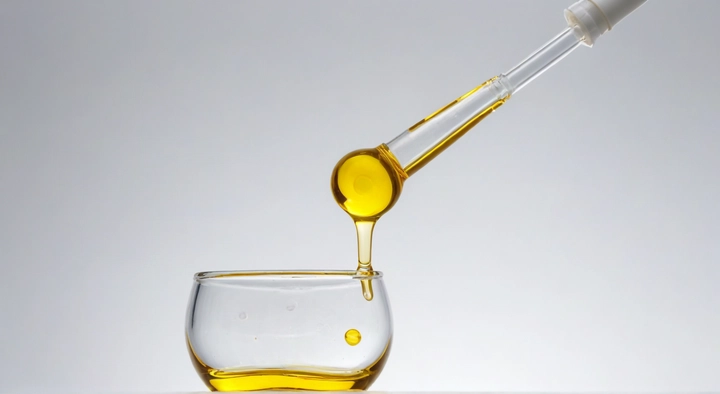
Step 4: Choose Packaging and Branding Options
Packaging plays an important role in how customers perceive a hair care product. A well-designed package can communicate product quality and strengthen brand recognition.
Private label hair oil packaging options may include:
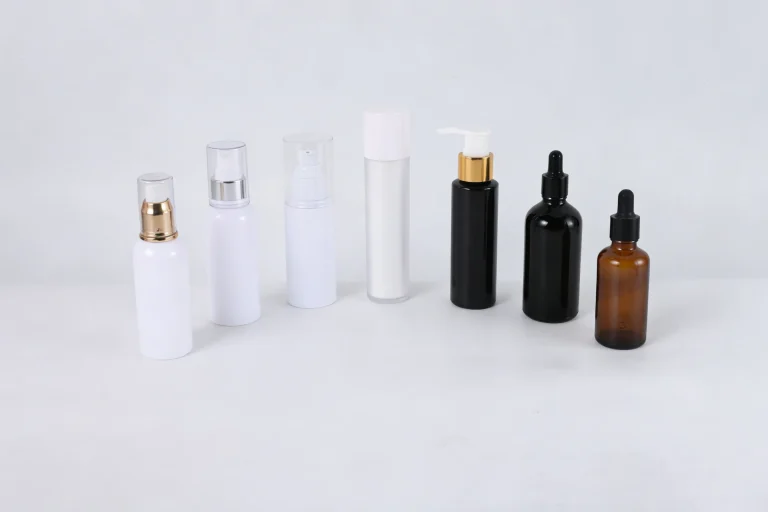
Bottle Selection
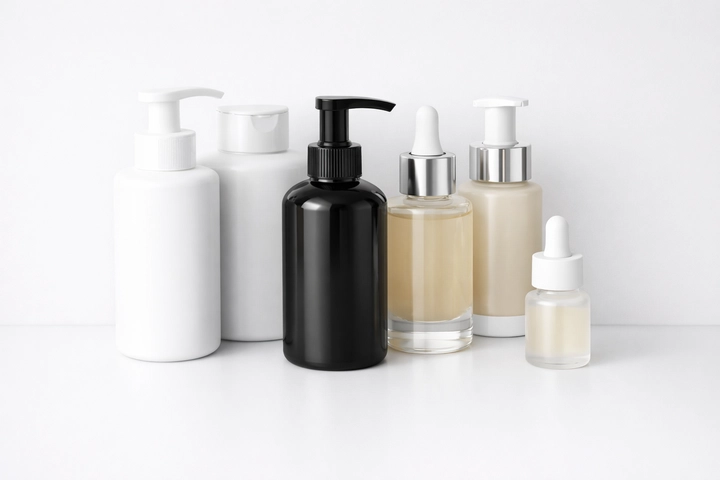
Common packaging choices include:
- Glass bottles
- Plastic bottles
- Dropper bottles
- Pump bottles
- Travel-size containers
The ideal packaging depends on product positioning, target market, cost requirements, and sales channels.
For example, a premium hair oil line may choose elegant glass packaging, while a daily-use product may prioritize convenience and durability.
Label and Brand Design
Customization can also include:
- Logo placement
- Label design
- Color selection
- Product information layout
- Brand style consistency
Packaging should match the overall brand image and help customers quickly understand the product benefits.
For brands planning to build a complete hair care line, packaging consistency across shampoo, conditioner, masks, and hair oils can create a stronger brand experience.
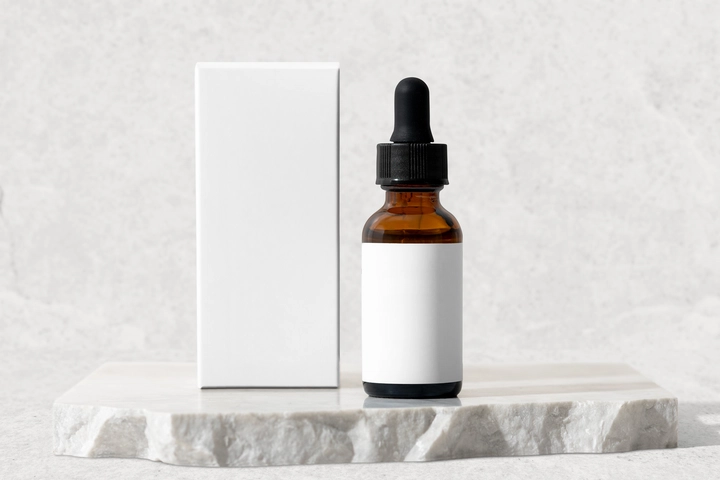
Step 5: Develop Samples and Optimize the Formula
Before moving into large-scale production, brands usually need to evaluate samples and make adjustments.
A typical customization process includes:
- Discussing product requirements
- Selecting an initial formula direction
- Developing product samples
- Evaluating texture, fragrance, and performance
- Adjusting the formula if needed
- Confirming the final product
Sample testing allows brands to make improvements before production begins.
Working with a private label manufacturer that provides professional formulation support can help brands avoid common development issues and achieve a more market-ready product.
Step 6: Move Into Production and Launch Your Hair Oil Brand
After the formula and packaging are approved, the product can move into manufacturing.
The production stage usually includes:
- Raw material preparation
- Formula production
- Quality inspection
- Filling and assembly
- Labeling
- Final packaging
- Shipment preparation
A reliable private label hair oil manufacturer should maintain consistent quality throughout production to ensure that every batch meets the approved product specifications.
For brands launching new products, choosing a manufacturer with experience in hair care production can simplify the process from development to delivery.
Related Reading: Hair Oil Manufacturing Process: From Formula Selection to Finished Product
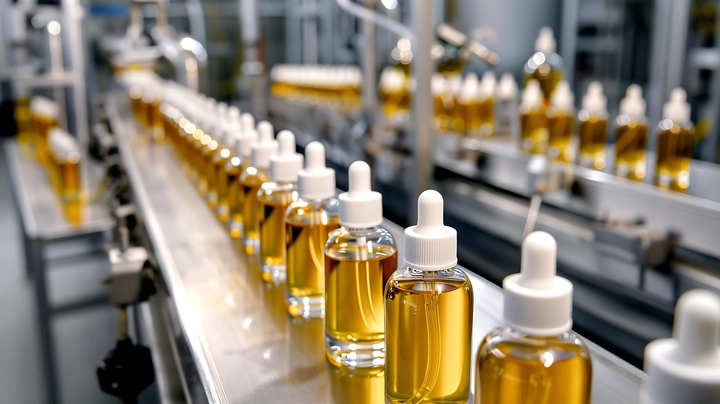
Key Factors to Consider When Customizing Private Label Hair Oil Products
Before starting a private label hair oil project, brands should consider several important factors.
1. Formula Performance
A good formula should provide the expected benefits while maintaining stability, safety, and a pleasant user experience.
2. Ingredient Quality
Ingredient selection directly affects product performance and customer perception. Brands should consider both popular ingredients and long-term product value.
3. Market Positioning
A premium luxury hair oil and an affordable daily-use product may require completely different formulas, packaging, and branding strategies.
4. Production Capability
Manufacturing experience, quality control systems, and production capacity can influence the success of a product launch.
5. Customization Support
A professional manufacturer should provide support throughout the development process, including formula recommendations, packaging solutions, and production guidance.
Why Work With an Experienced Private Label Hair Oil Manufacturer?
Developing a hair oil product involves many decisions, from ingredient selection to final packaging. Partnering with an experienced private label hair oil manufacturer allows brands to access professional expertise while reducing the complexity of product development.
A reliable manufacturing partner can help with:
- Formula customization
- Ingredient recommendations
- Packaging solutions
- Sample development
- Production management
- Quality control
For brands, this means a smoother path from product idea to market-ready hair oil.
Conclusion: Create Your Own Private Label Hair Oil Product
Customizing a private-label hair oil allows brands to create unique products that align with their customers, positioning, and market goals. From selecting ingredients and refining formulas to designing packaging and completing production, every step contributes to the final product experience.
Choosing the right manufacturing partner is essential for turning a product concept into a competitive hair care product.
Ready to develop your own private label hair oil product? Mountain Sea can help you create customized hair oils with professional formulation, packaging, and manufacturing support. Contact us to discuss your product idea and request samples.